
HIP
SURGERY
Hip replacement is one of the core focuses of Dr Graham Dickason's practice.
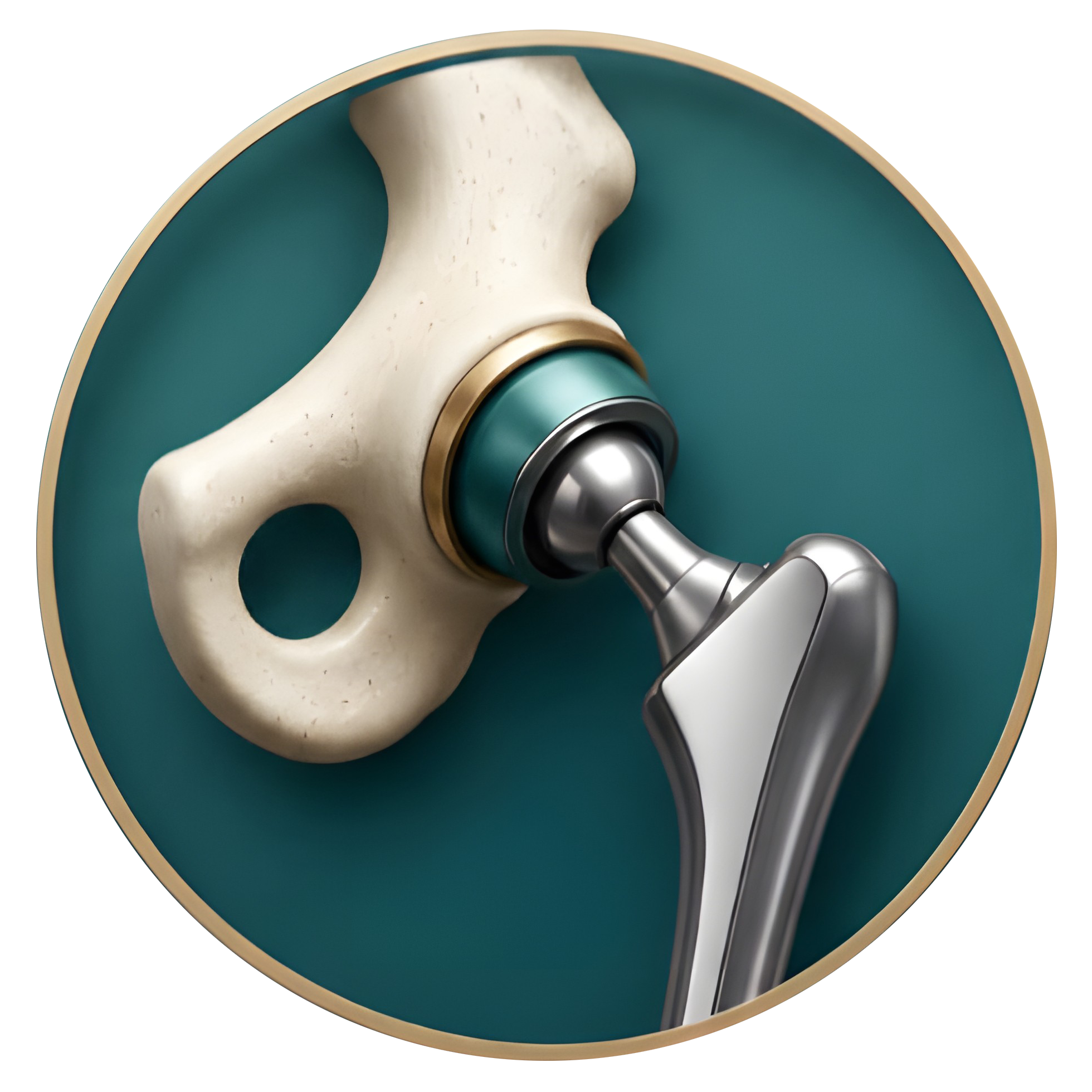
A hip replacement (total hip arthroplasty) is a surgical procedure in which the damaged ball-and-socket joint of the hip is removed and replaced with an artificial implant.
The goal is to relieve pain, restore movement, and allow patients to return to daily activities that had become difficult or impossible due to joint damage.
When is a hip replacement needed?
Hip replacement surgery may be considered when severe hip pain and loss of function significantly affect a patient's quality of life and non-surgical treatments are no longer providing adequate relief. Common indications include:
- Advanced osteoarthritis of the hip
- Rheumatoid or other inflammatory arthritis
- Avascular necrosis (osteonecrosis) of the femoral head
- Hip damage following trauma or fracture
- Other conditions causing significant, irreversible damage to the hip joint
The decision to proceed with hip replacement is based on a combination of symptoms, clinical examination, imaging findings and the impact of the condition on daily life.
Surgery is generally considered when pain and functional limitations persist despite appropriate non-operative treatment. The choice of surgical approach is individualised according to each patient's anatomy, diagnosis, previous surgery and overall health.
Dr Dickason will discuss the most appropriate approach during your consultation. DAA is Dr Dickason's preferred approach for primary hip replacements unless the patient's individual circumstances indicate otherwise.
THE DIRECT ANTERIOR APPROACH (DAA)
Dr Dickason performs the majority of primary hip replacements using the Direct Anterior Approach (DAA).
DAA is a tissue-sparing technique that accesses the hip through natural tissue planes, working between the muscles rather than cutting through them. In appropriately selected patients, this may result in less soft-tissue disruption, reduced postoperative pain, earlier mobilisation and a faster return to normal activities.
Other potential benefits include improved early functional recovery, reduced reliance on walking aids and fewer movement restrictions during the early recovery period.
FREQUENTLY ASKED QUESTIONS
How long does hip replacement surgery take?
Total hip replacement surgery usually takes about 60–90 minutes.
When can I return to normal activities?
Most people can return to their regular daily activities within six weeks after hip replacement surgery, but this can vary depending on age, general health and individual recovery.
Will I need physio after my THR?
Yes. Physiotherapy starts the day after your surgery. This includes helping you safely get out of bed and standing, teaching you to walk correctly with a frame or crutches, learning how to climb stairs safely before discharge, and providing home exercises.
When will I be able to return to work?
The exact timeline depends on the physical demands of your job and whether you are able to work from home. For a desk job or remote work, you can usually return after two to four weeks. For work that requires light activity, such as walking or standing, you may need four to six weeks before returning. For work that requires heavy lifting, the usual timeline is eight to twelve weeks. Dr Dickason will discuss the expected timeline with you.
How long does recovery from a THR take?
Recovery is very patient-specific and depends on factors such as your general health, age and pre-operative condition. Most patients walk without a walking aid after six weeks. Recovery is gradual over several months.
When will I be able to drive?
Generally, you can return to driving six weeks after surgery. Dr Dickason will confirm the appropriate timeline for you. If you drive an automatic vehicle, you may be able to return to driving sooner when your left hip was operated on.
Important information about recovery
Recovery following hip replacement is different for every patient. The timeframes provided on this website are approximate guidelines only and may vary depending on factors such as your general health, fitness, the complexity of your surgery and your progress during rehabilitation.
These timeframes are not a guarantee of any particular outcome or recovery period. Your individual recovery plan will be discussed with you following surgery.
DR GRAHAM DICKASON
ORTHOPAEDIC SURGEON
Practice: 0403830 | HPCSA: MP0553115
Information on this website is for general education and does not constitute personal medical advice.
Dr Graham Dickason © 2026 | All rights reserved